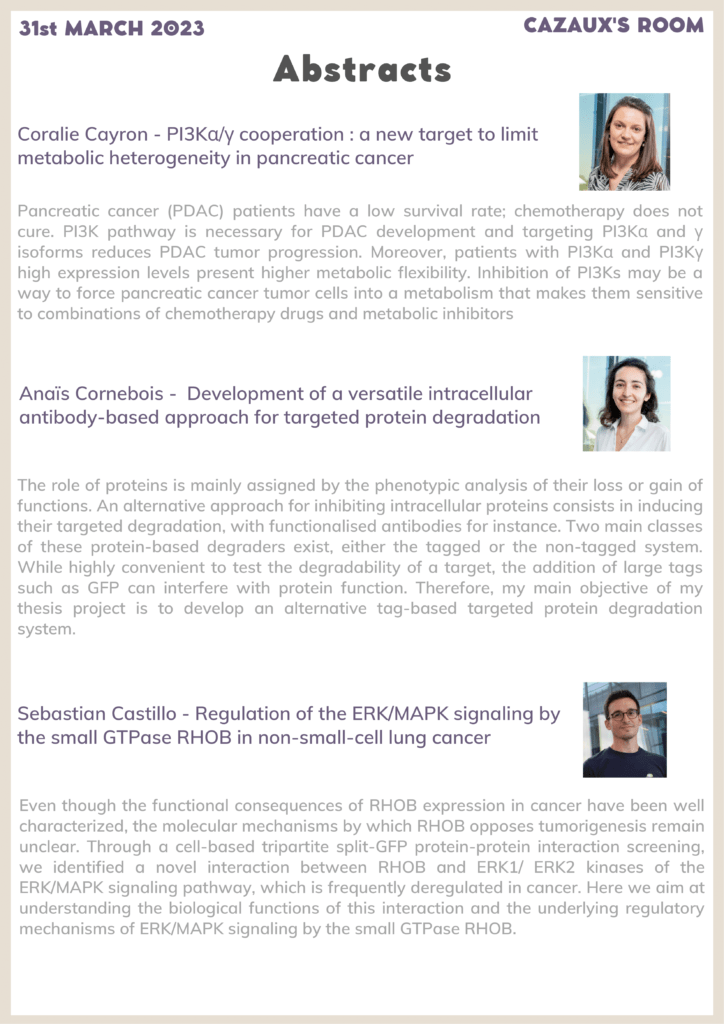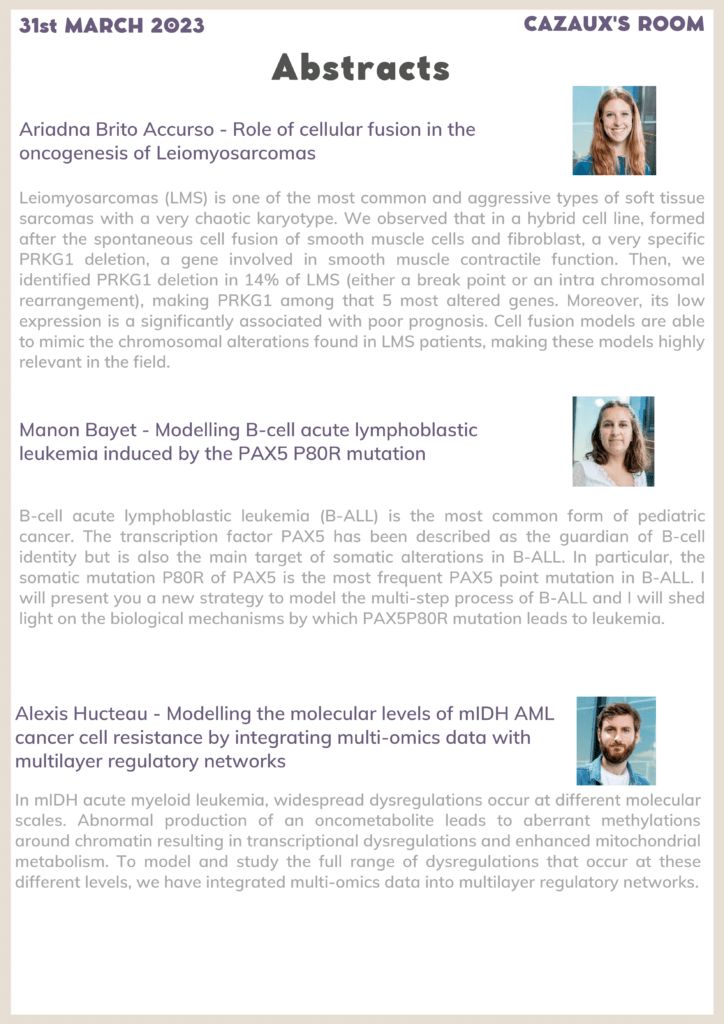
Lessons from the melanoma ecosystem

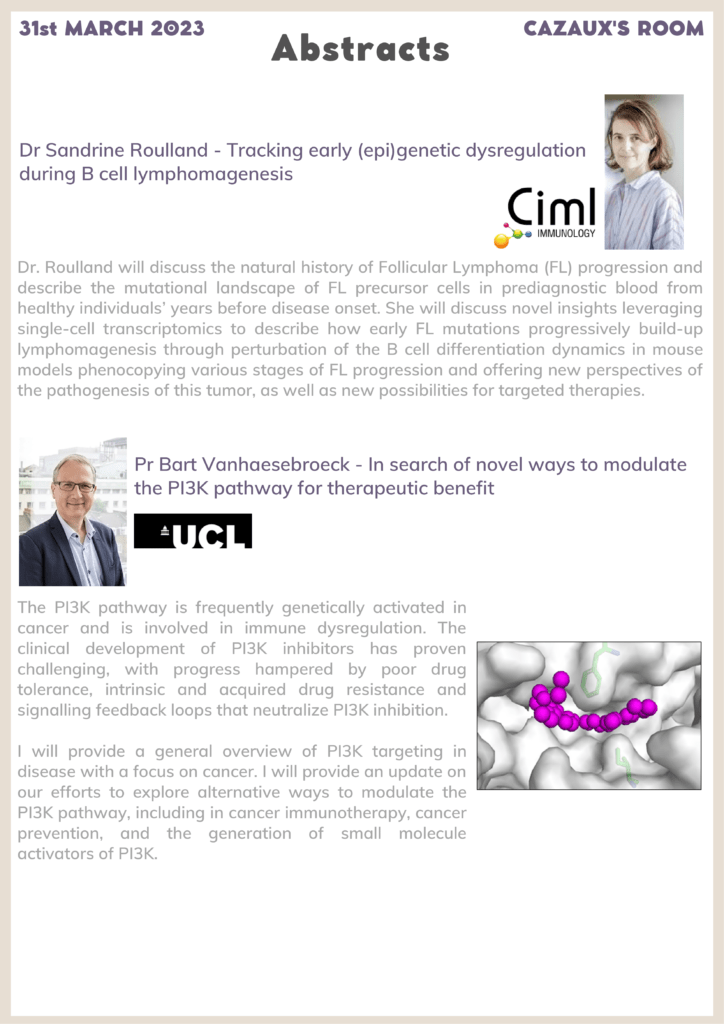
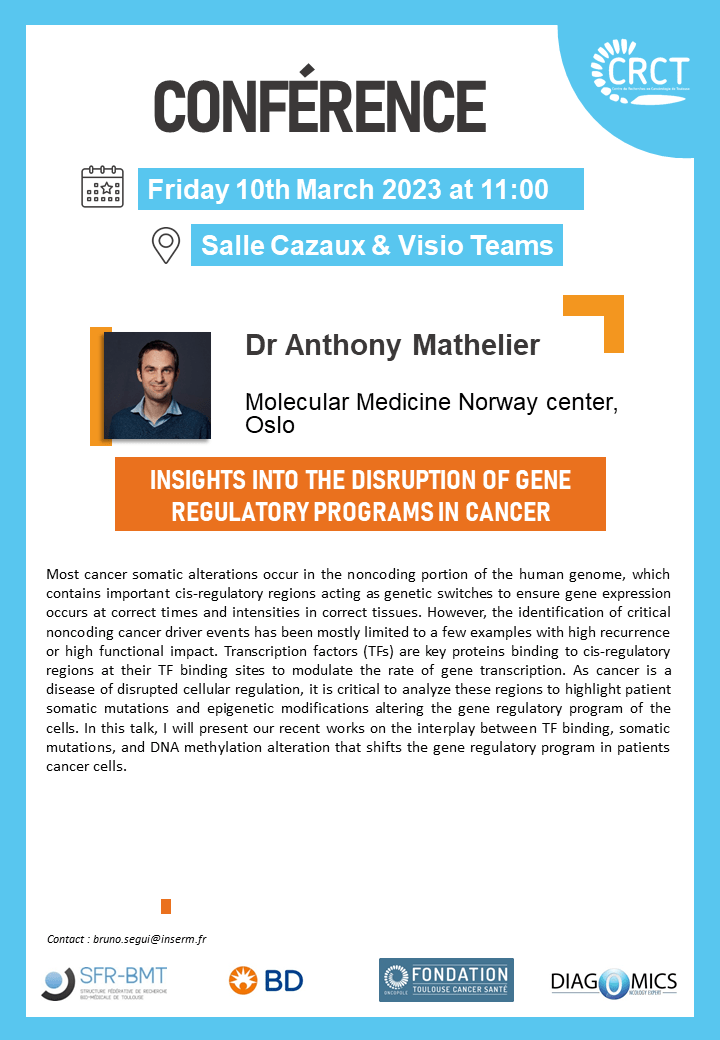
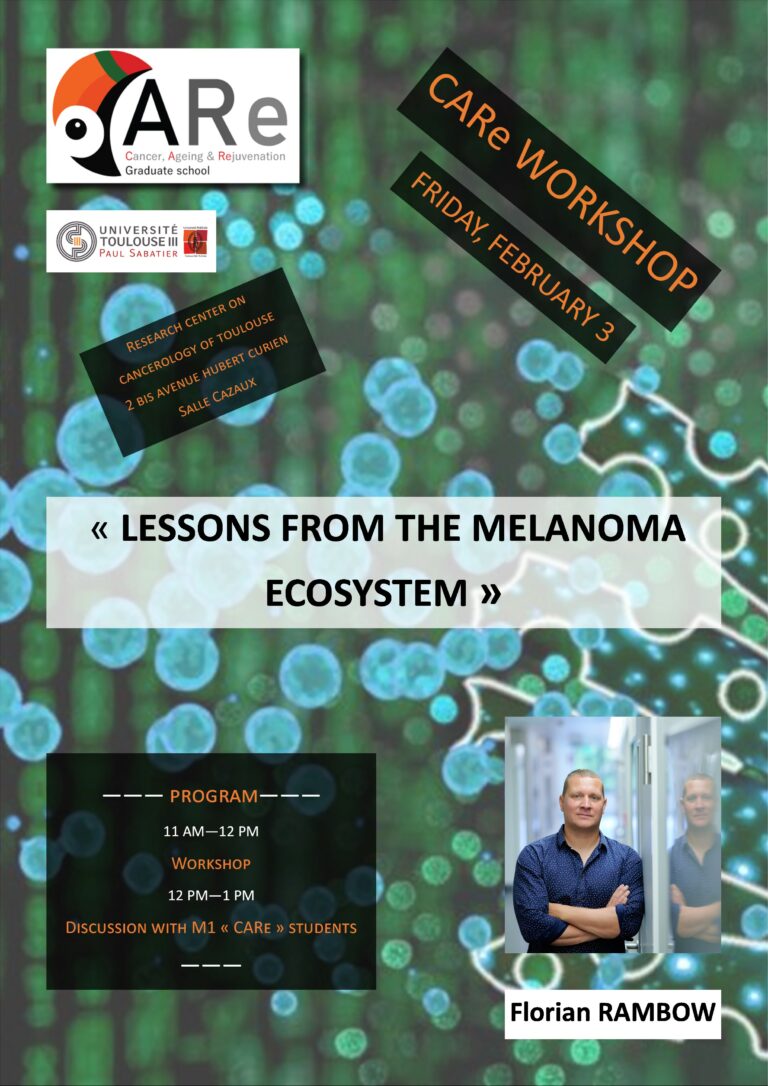
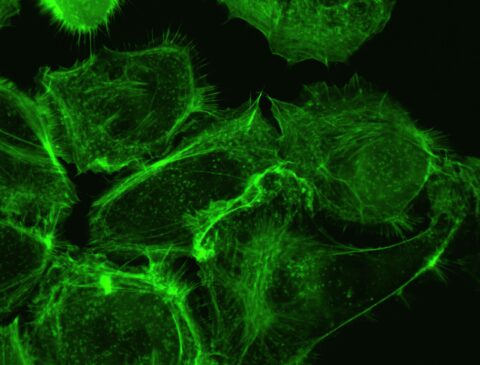
On Friday, February 3rd, Pr Florian Rambow from the Institute for AI in Medicine (IKIM) University Hospital of Essen will give a lecture about resistance in Immune Checkpoint blockade in melanoma.at the Center of Research in Cancerology of Toulouse from 11 am to 12 pm.

 » Primary resistance drastically limits the clinical success of immune checkpoint blockade (ICB) in melanoma. Resistance to ICB may also develop when tumours relapse after targeted therapy. To identify cancer cell-intrinsic mechanisms driving resistance to ICB, we generated single-cell RNA-sequencing (scRNA-seq) data from a prospective longitudinal cohort of patients on ICB therapy, including an early time point obtained after only one cycle of treatment. Comparing these data with murine scRNA-seq datasets, we established a comprehensive view of the cellular architecture of the treatment-naïve melanoma ecosystem, and defined 6 evolutionarily conserved melanoma transcriptional metaprograms. Spatial multi-omics revealed a non-random geographic distribution of cell states that is, at least partly, driven by the tumour microenvironment. The single- cell data allowed unambiguous discrimination between melanoma MES cells and cancer-associated fibroblasts both in silico and in situ, a long-standing challenge in the field. Importantly, two of the melanoma transcriptional metaprograms were associated with divergent clinical responses to ICB. While the Antigen Presentation cell population was more abundant in tumours from patients who exhibited a clinical response to ICB, MES cells were significantly enriched in early on-treatment biopsies from non-responders, and their presence significantly predicted lack of response. Critically, we identified TCF4 (E2-2) as a master regulator of the MES program and suppressor of both MEL and Antigen Presentation programs. Targeting TCF4 expression in MES cells either genetically or pharmacologically using a bromodomain inhibitor increased immunogenicity and sensitivity to targeted therapy. »

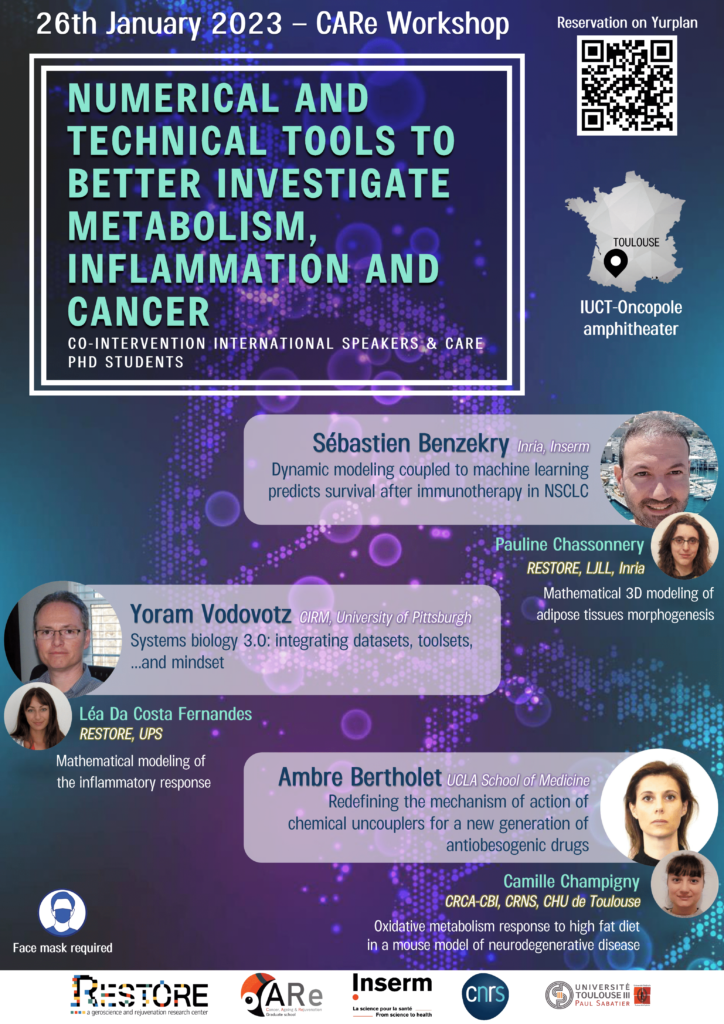
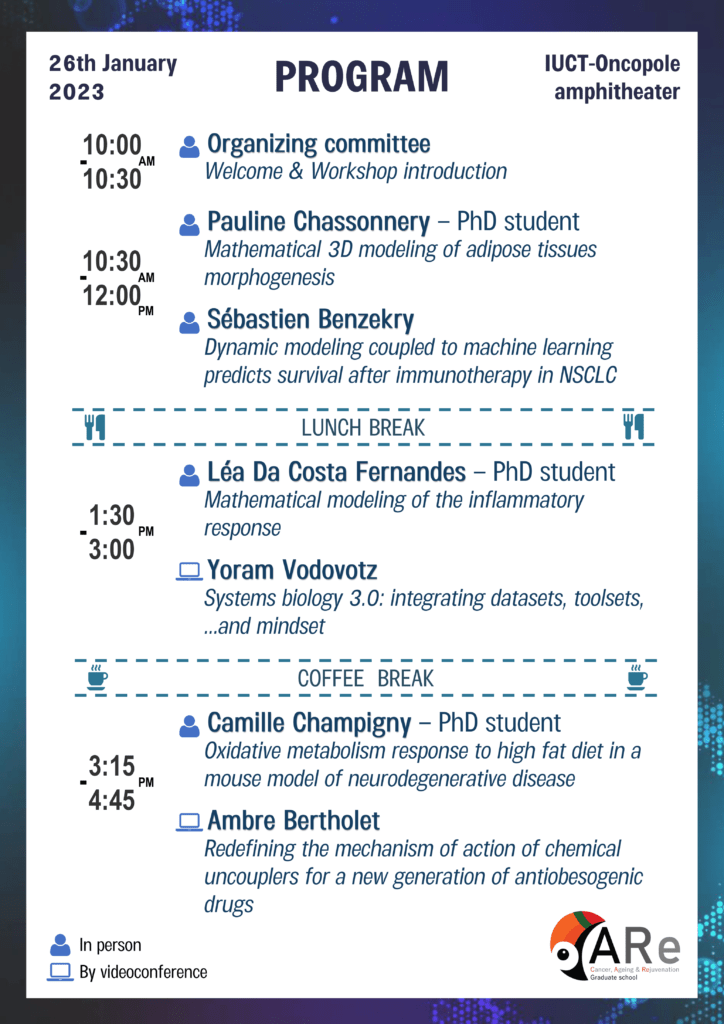
Numerical and technical tools to better investigate metabolism, inflammation and cancer

Co-intervention of international speakers and CARe PhD students

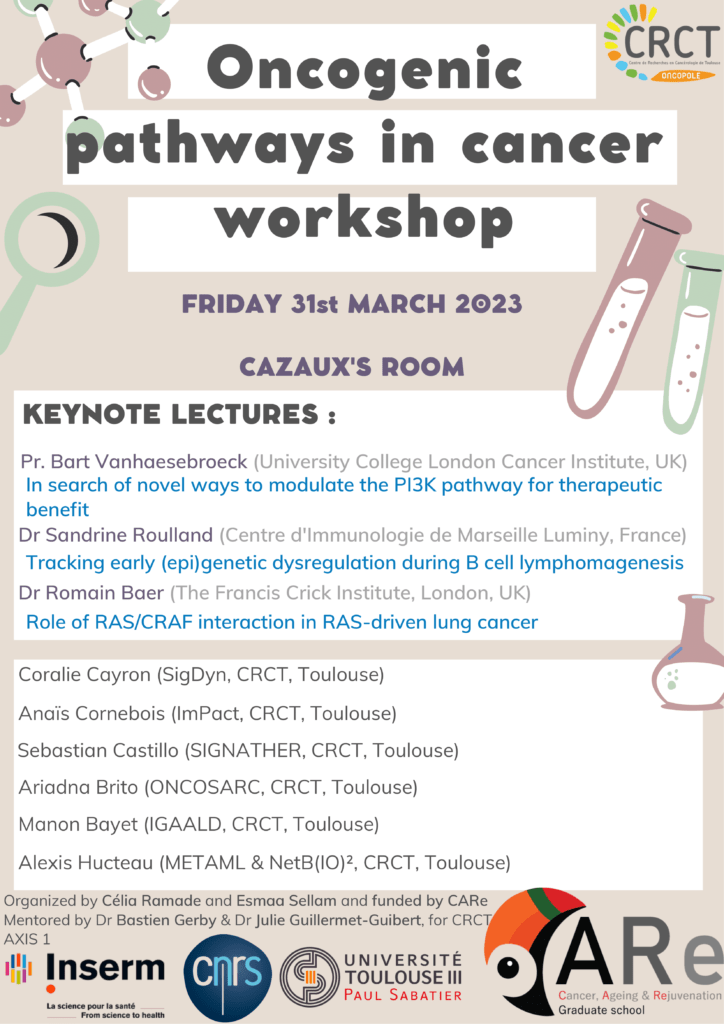
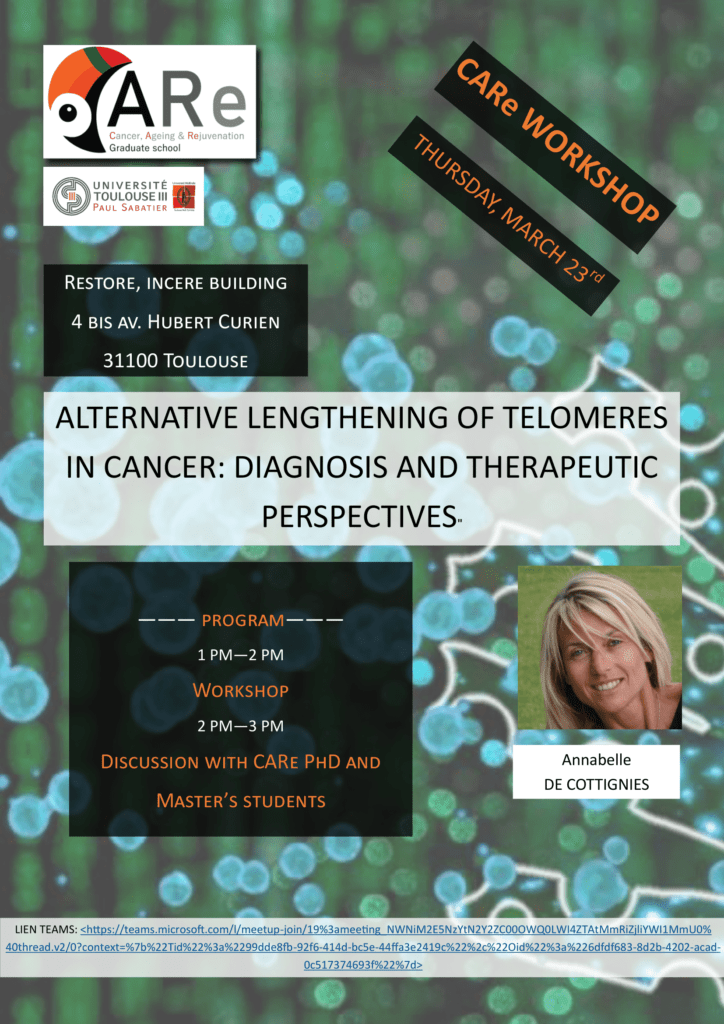
On January 26th, 2023 a panel of international experts and CARe PHD students will analyse and discuss numerical and technical tools in disease investigation at the Toulouse University Cancer Institute.

Recordings of seminars

Pauline Chassonery – PhD student

Léa Da Costa Fernandes – PhD student

Yoram Vodovotz – CIRM University of Pittsburgh

Camille Champigny – PhD student

Ambre Bertholet – UCLA School of Medicine


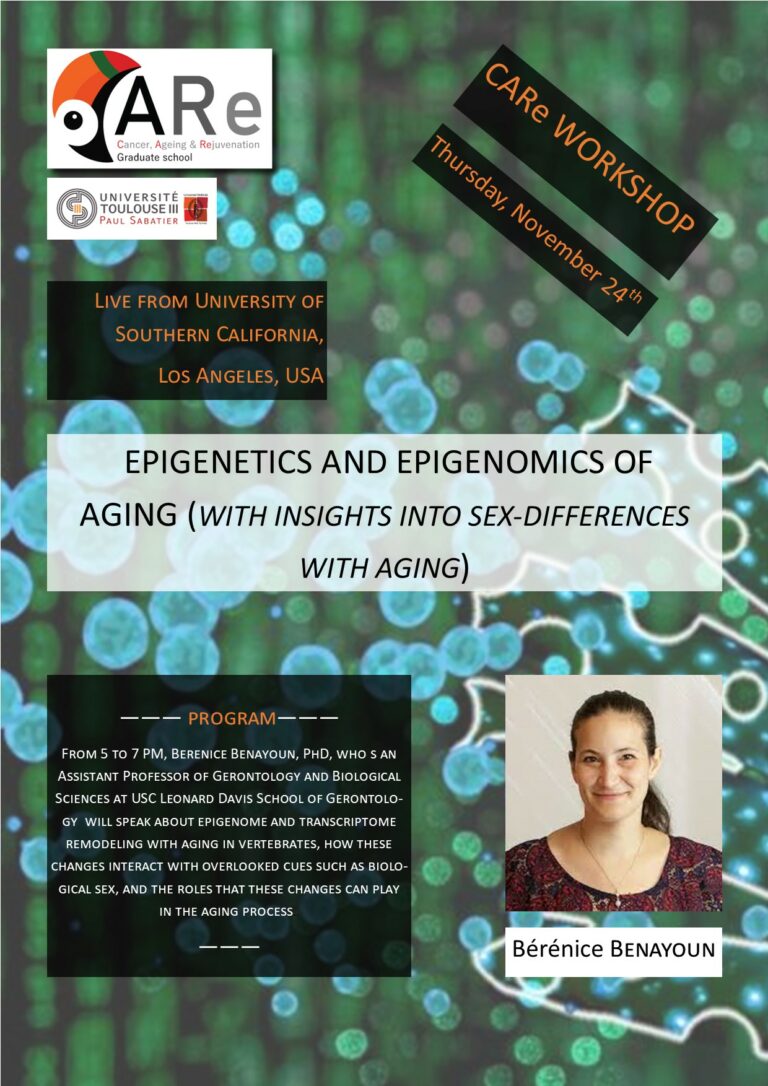
Workshop on « Epigenetics and epigenomics of aging (with insights into sex-differences with aging »

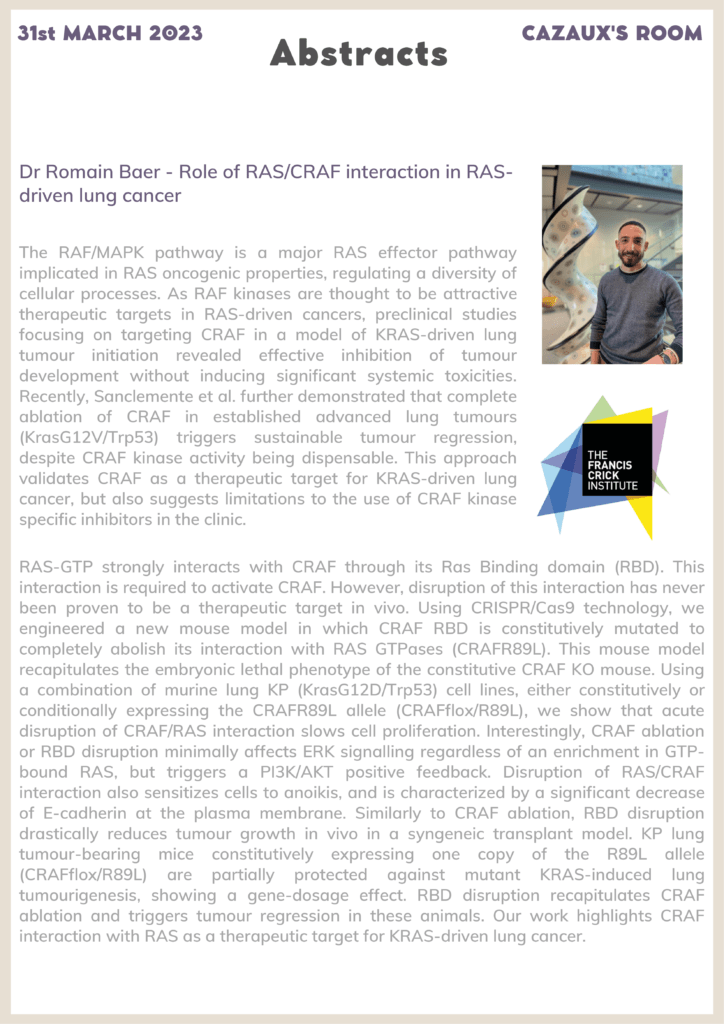
On Thursday, November24th from 5 to 7 PM, Berenice Benayoun, PhD, who is an Assistant Professor of Gerontology and Biological Sciences at University of Southern California Leonard Davis School of Gerontology  will speak about epigenome and transcriptome remodeling with aging in vertebrates, how these changes interact with overlooked cues such as biological sex, and the roles that these changes can play in the aging process.

Participate online here.

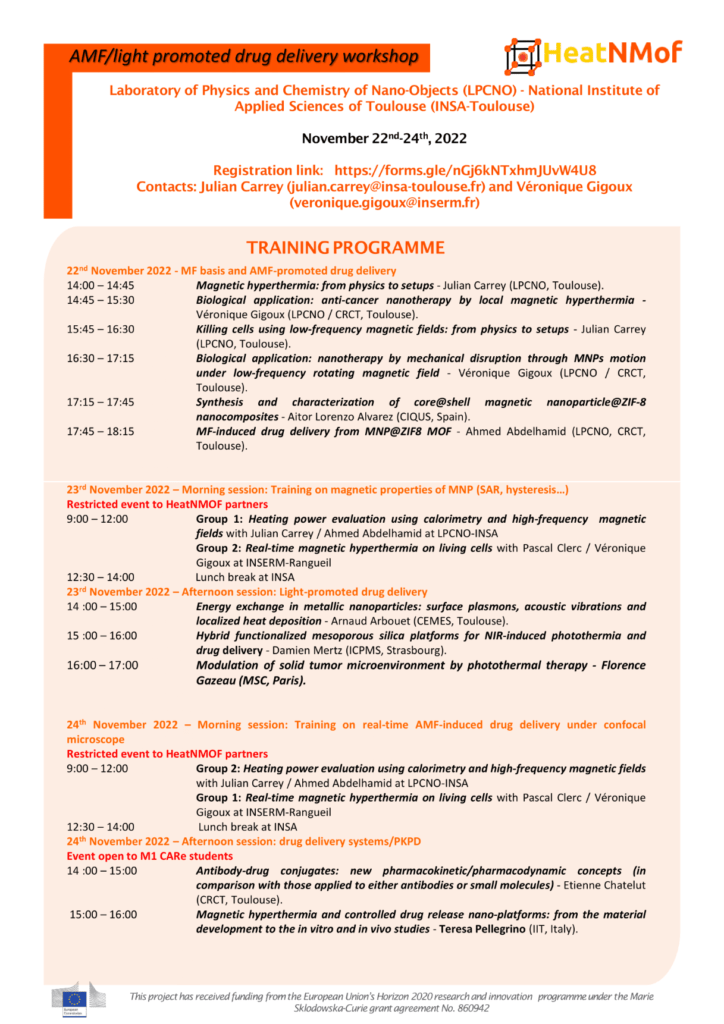
AMF/light promoted drug delivery workshop

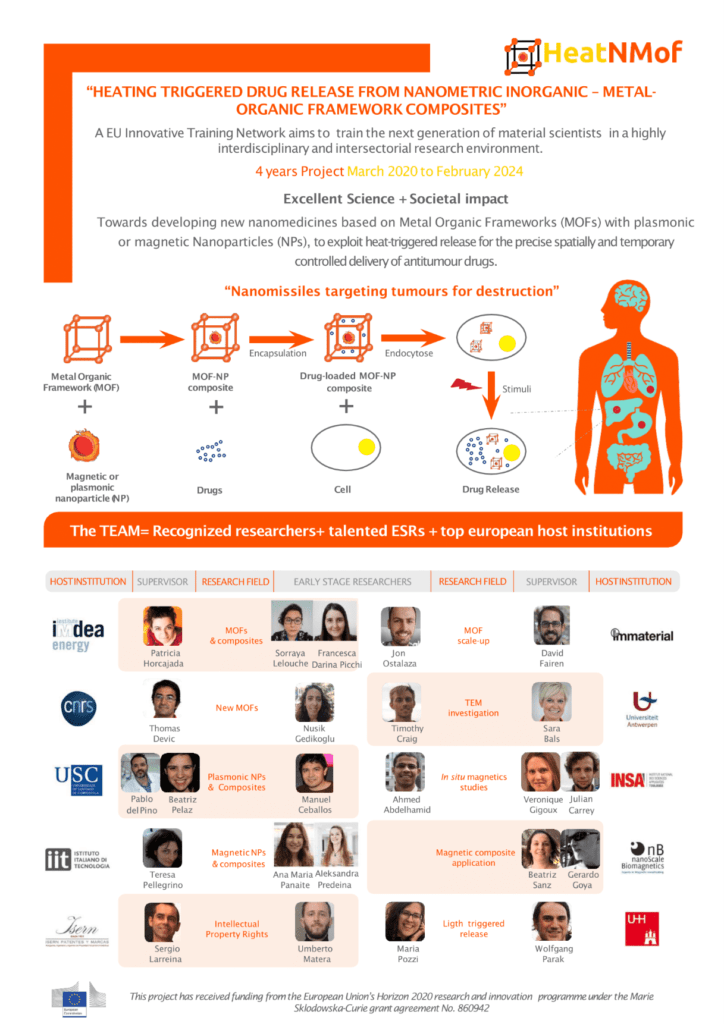
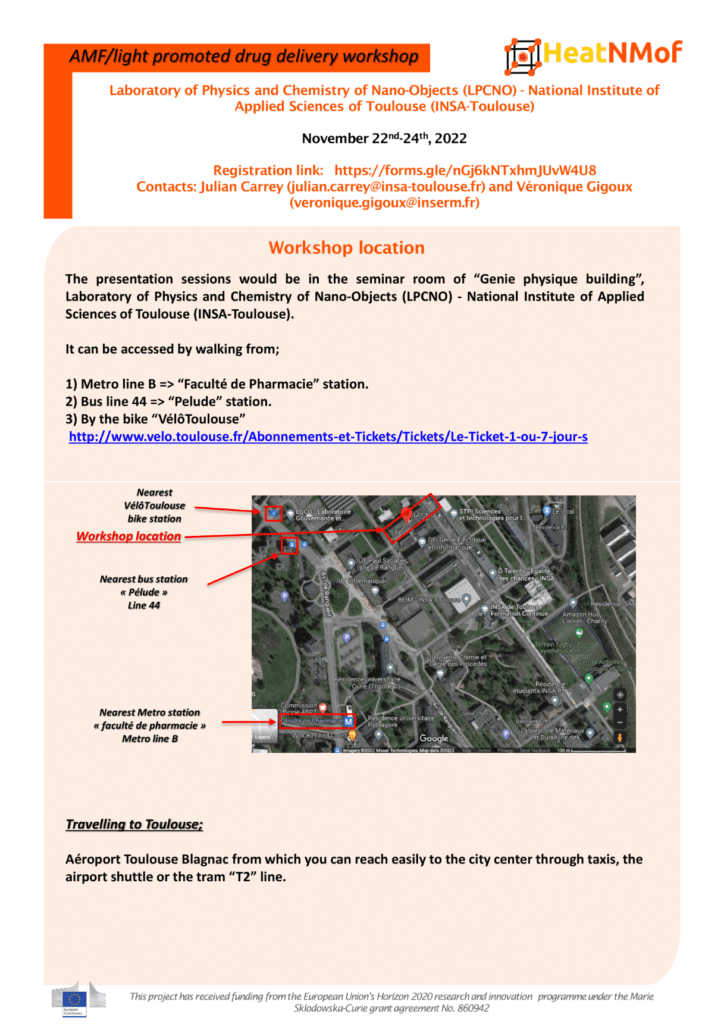
From November 22nd to 24th at INSA campus, French and European researchers will conduct a Workshop on « heating triggered drug release from nanometric inorganic – metal – organic framework composites ». It is a EU Innovative Training Network aims to train the next generation of material scientists in a highly
interdisciplinary and intersectorial research environment.

Bioinformatics Workshop

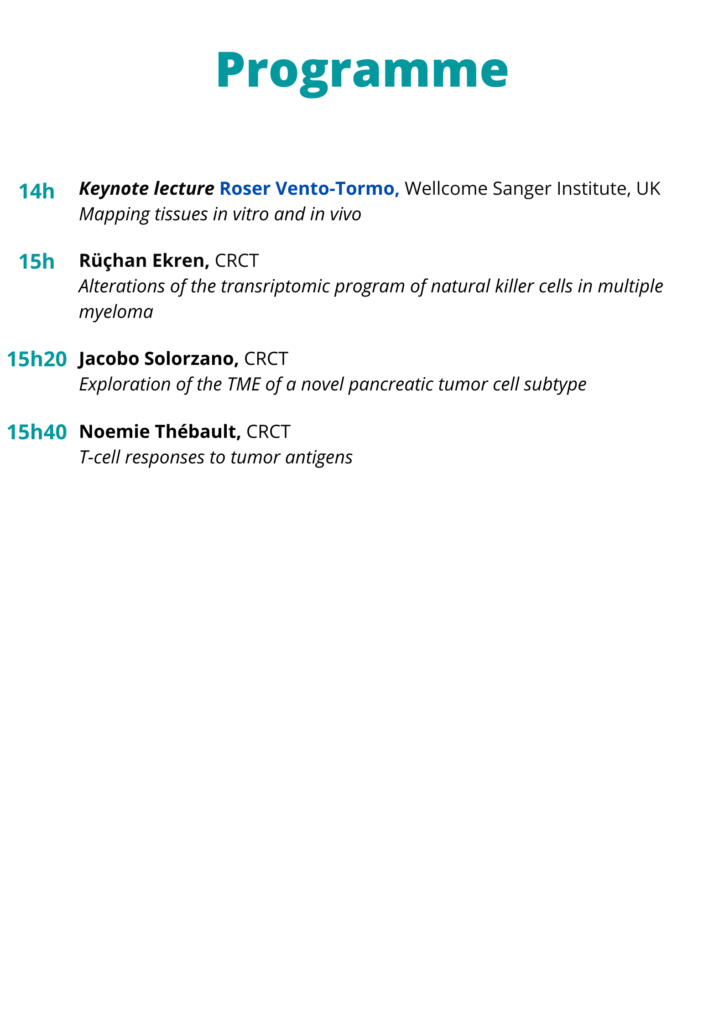
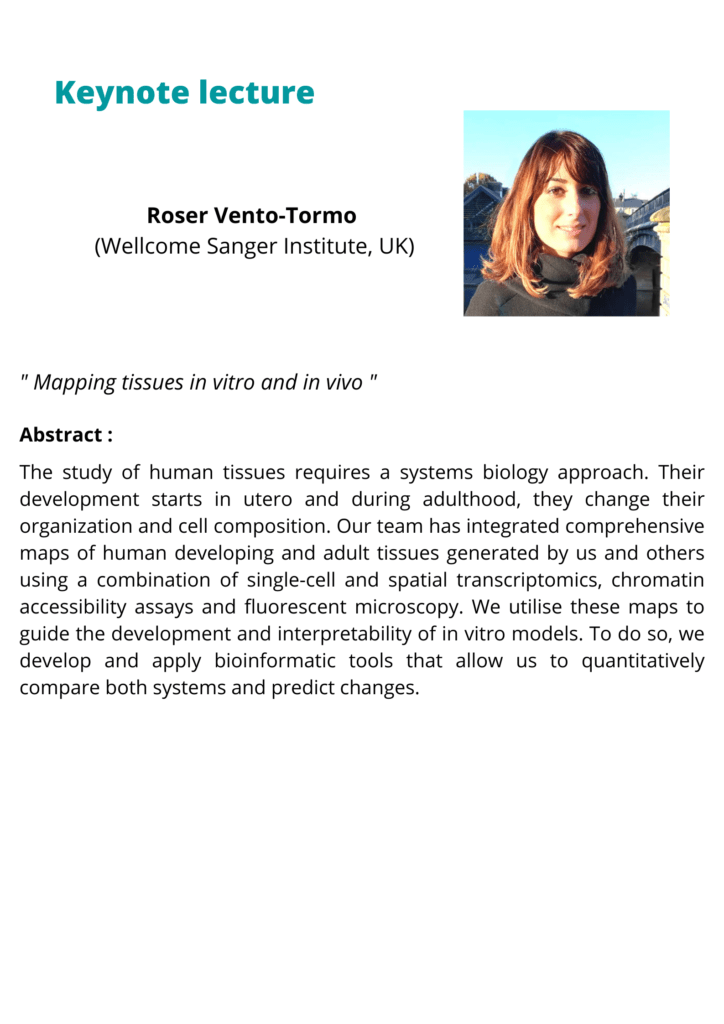
On Wednesday, November 23rd at the IUCT -Oncopole Amphitheater researchers and CARe PhD students will share their expertise on Bioinformatics. A Keynote lecture will be given by Professor Roser Vento (Wellcome Sanger Institute, UK) on « Mapping tissues in vitro and in vivo ».

To participate via videoconference, please click here.

COMPUTATIONAL ANALYSIS AND MULTIOMICS IN ONCOLOGY

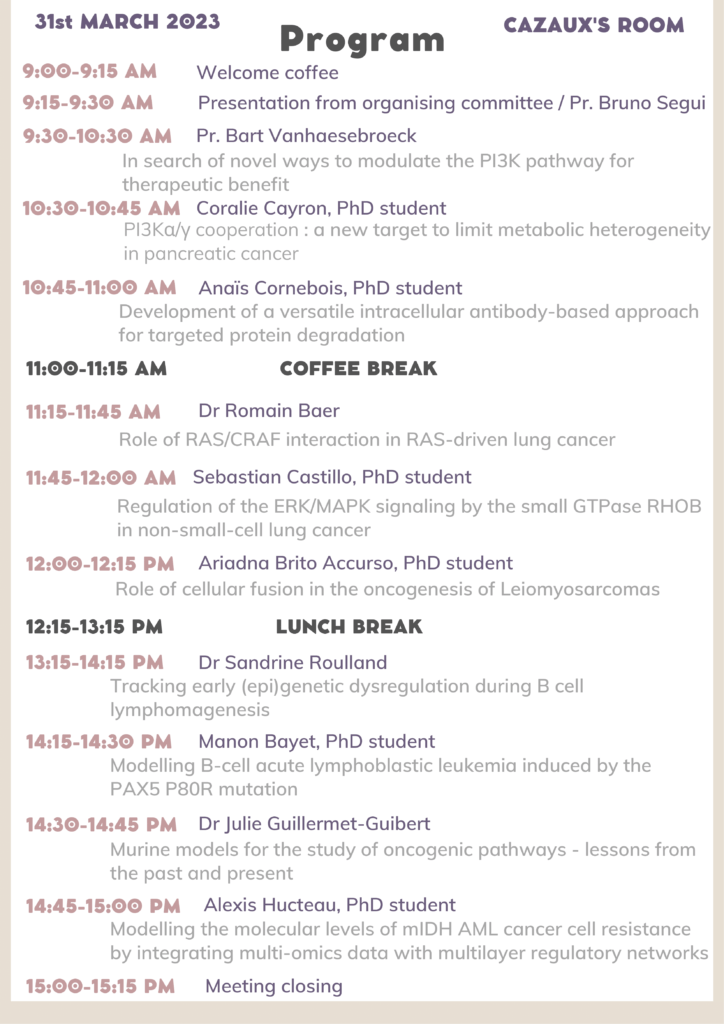
On October 17th, 2022, international researchers and CARe PHD students will share their expertise on the role and the potential of computational analysis and multiomics in oncology, at the Toulouse University Cancer Institute.